Renovation
When an Old Wood Window Is Worth Repairing
Read the clues in a timber window before comparing repairs, weatherstripping, secondary glazing and replacement.
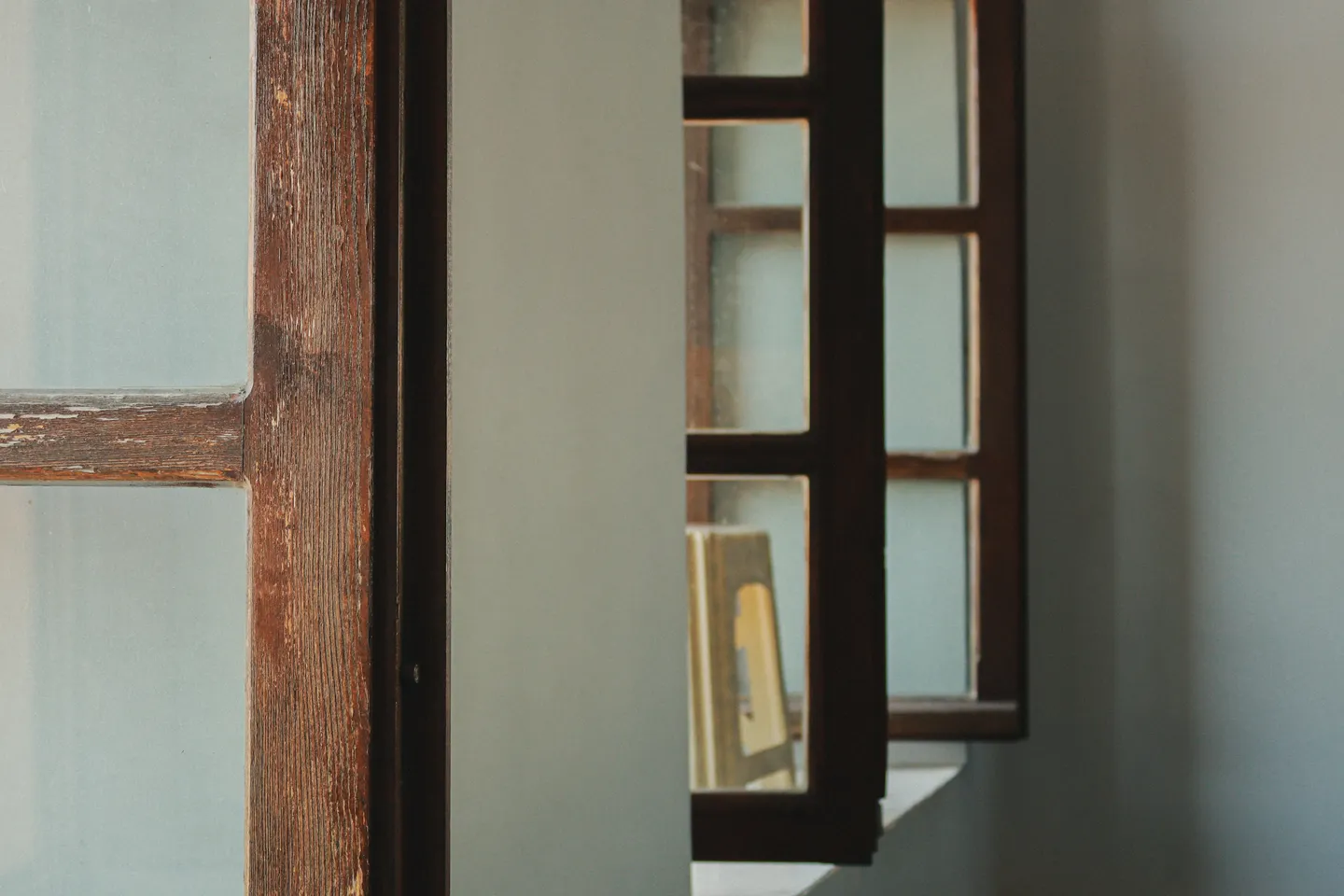
An old sash that rattles in a February wind tells you there is movement somewhere in the assembly. That observation alone cannot tell you whether the timber is sound, whether the glass is the coldest part of the window, or whether rain has found a way behind the sill. Those questions call for different work. Start with the failure that prompted the project and record where it happens, because the most expensive quote may be addressing a different problem from the one you notice in daily use.
For a wooden window with historical value, the National Park Service guidance on evaluating historic windows covers repairs including renewal of finishes, replacement of components and weatherstripping. That is a useful organizing principle for homes outside historic districts as well. A sash is the movable frame holding the glass. The frame, sill, cords or balances, seals, glazing and trim are distinct parts with different failure modes. An experienced repairer can often trace a symptom to one element before suggesting a replacement assembly.
Establish what happens in dry weather
On a dry day, close the window normally with the latch. Look at the line where movable parts meet. Uneven gaps can be caused by paint buildup, worn guides, a sash that is out of square, loose hardware or movement elsewhere in the opening. A piece of paper slipped gently between the sash and frame can help locate a spot where contact is poor, although it is a rough observation and says nothing about weather rating. A draft that you can feel at one corner is a more specific clue than a room that feels generally cool.
Operate the sash only if it moves freely and safely. A double-hung sash that drops when released may have a broken cord or balance. That is an immediate reason to stop using it until a repairer has secured it. A sash that sticks after a humid week may give a fitter a different problem to solve than one that has been painted shut for years. Record when it sticks and how far it opens, and photograph the location without forcing any part. Upper floors and loose glass are work for someone equipped to deal with them safely.
Group windows by symptom. A house may have four sound windows with drafts, one with a soft sill and one with glass that has cracked. Pricing the whole elevation as if every opening needs the same treatment makes it hard to see where the money goes. Give each opening a label based on its room or elevation and note whether it provides required ventilation or emergency escape. Any new restrictor, storm unit or replacement opening needs to respect those uses and local rules.
Follow water before pricing new wood
Signs of wetting can point above or beside the opening. A stain high on the casing after wind-driven rain deserves attention to the wall, flashings and joints overhead. Paint peeling along the outer sill with little change above can reflect standing water, weather exposure or a problem at the sill joint. Photograph the same areas after rain and after a dry spell if you can do so from a safe place. Include the wall around the window so a contractor can see roof edges, trim and other details that could direct water toward it.
You may be able to distinguish where indoor moisture occurs without disturbing the finish. Condensation that wipes away from the room-facing glass forms on that surface. It can be affected by indoor moisture and glass temperature. Fog that persists between panes of an insulated unit points to a different problem. Water arriving at the lower trim during a storm may come through several routes and needs on-site diagnosis. Treat mold growth, significant moisture and damage to surrounding walls as reasons to investigate the building assembly with an appropriate professional.
Ask which piece of wood is affected and how far the damage goes. Repair can involve removing defective material at a limited location and fitting a sound piece of compatible timber. The assessment changes if supporting parts have deteriorated widely or the opening itself is failing. A quote should say whether damaged wood will be cut out, which parts will be retained and how the water source will be handled. A smooth painted surface on handover tells you little about durability if the wetting mechanism is still in place.
Give drafts and cold surfaces their own remedies
A working sash deserves a closer look at its edges. Qualified repairers can tune the fit, address the latch and install weatherstripping appropriate to its movement. Different parts of one window may use different seals. A product that works in compression where a casement closes has a different job from a seal along the sliding edge of a sash. Ask to see a sample that shows how the window will operate afterward and whether future repainting is possible without ruining the seal.
If the frame seals well but the glass feels cold, glazing upgrades may offer a separate path. A compatible storm window or secondary glazing adds a layer while keeping the existing sash. Compare cleaning access, opening hardware, ventilation, drainage, and the risk of moisture between layers. The U.S. Department of Energy overview of storm windows describes energy-related options. Actual performance depends on the assembly, product, local climate and condition of the existing opening.
When asking for an energy quote, request comparable performance information and a clear explanation of what is supplied. A glazing rating can refer to the glass or to the entire unit. Installation can be as important as the specification if gaps remain between an old opening and a new frame. Weigh summer sun and winter comfort together. Shading, control of indoor moisture and ordinary air sealing may matter alongside window work. Energy savings are one part of the decision, and quotes need enough information for you to compare them realistically.
Compare scopes at the same level of detail
Start with one representative opening if the contractor can stage the work. Ask for descriptions of sash restoration, seal work, glass repair and full replacement where appropriate. The estimate should show what happens to interior stops, shutters, trim and wall finishes. Remove-and-replace pricing can look straightforward until surrounding repair and decoration are included. A repair price can also expand if each sash has multiple failing joints or if site access requires substantial setup.
Older finishes sometimes contain hazardous materials. Check local requirements before sanding, cutting or disturbing paint, putty or surrounding finishes. Owners of protected properties should check approval requirements before changing profiles, glass appearance or exterior details. A matching replacement can still differ in the depth of the frame, the amount of visible glass and the shape of bars and trim. Compare physical samples and ask about side-by-side sight lines, especially where one window would be replaced in a row of older ones.
For a window that needs reliable operation, test the sample from the actual user’s position. A latch near a deep countertop or behind a sink may be awkward even when the sash moves effortlessly. Check handle reach, how much force the sample needs, where insect screens sit and whether glass can be cleaned from a safe position. In bedrooms, talk to the contractor about applicable escape-opening requirements before accepting changes to hardware or the clear opening size.
Record the next maintenance step with the decision
An owner can decide to repair the dry sash, ask for a specialist opinion on the wet frame and defer the rest until the next maintenance cycle. Put a dated photograph and a brief note on each opening in a home maintenance folder. Keep the information about seal material, paint, glazing and hardware supplied by the installer. It can help someone repair a single worn part years later without guessing what was used.
Compare the repaired sample against the problem you started with. Close and latch it. Ask someone who uses it often to open it and comment on the effort. Observe the area after the next spell of wind or rain, allowing for the conditions that originally triggered the symptom. A quote gives you the scope and price. The sample, maintenance record and behavior in real weather tell you whether the proposed intervention actually earned its place.
Work through a mixed example
Imagine a pair of painted sash windows on the same wall. One closes fully, though cold air reaches the chair beneath it on windy days. The other has dark staining below one corner, and paint has lifted beside the external sill. A fitter might first check both openings for movement and identify whether the draft comes through the meeting rail or around the frame. For the stained opening, a separate inspection of the exterior water path takes priority. Pricing the issues separately makes the choice legible. One opening might need sash adjustment and a suitable seal, while the other needs moisture work before anyone can judge what timber is salvageable.
It is worth taking down a simple note at that first meeting with the fitter: the dates of the wet and dry observations, which window gave trouble, and what would count as improvement. That record protects the project from drifting toward the same treatment for every window simply because the sizes happen to match.