Decorating
Display Keepsakes You Can Pick Up and Use
Make room for meaningful objects without exposing fragile pieces to busy routes, harsh light or cabinets no one can clean.
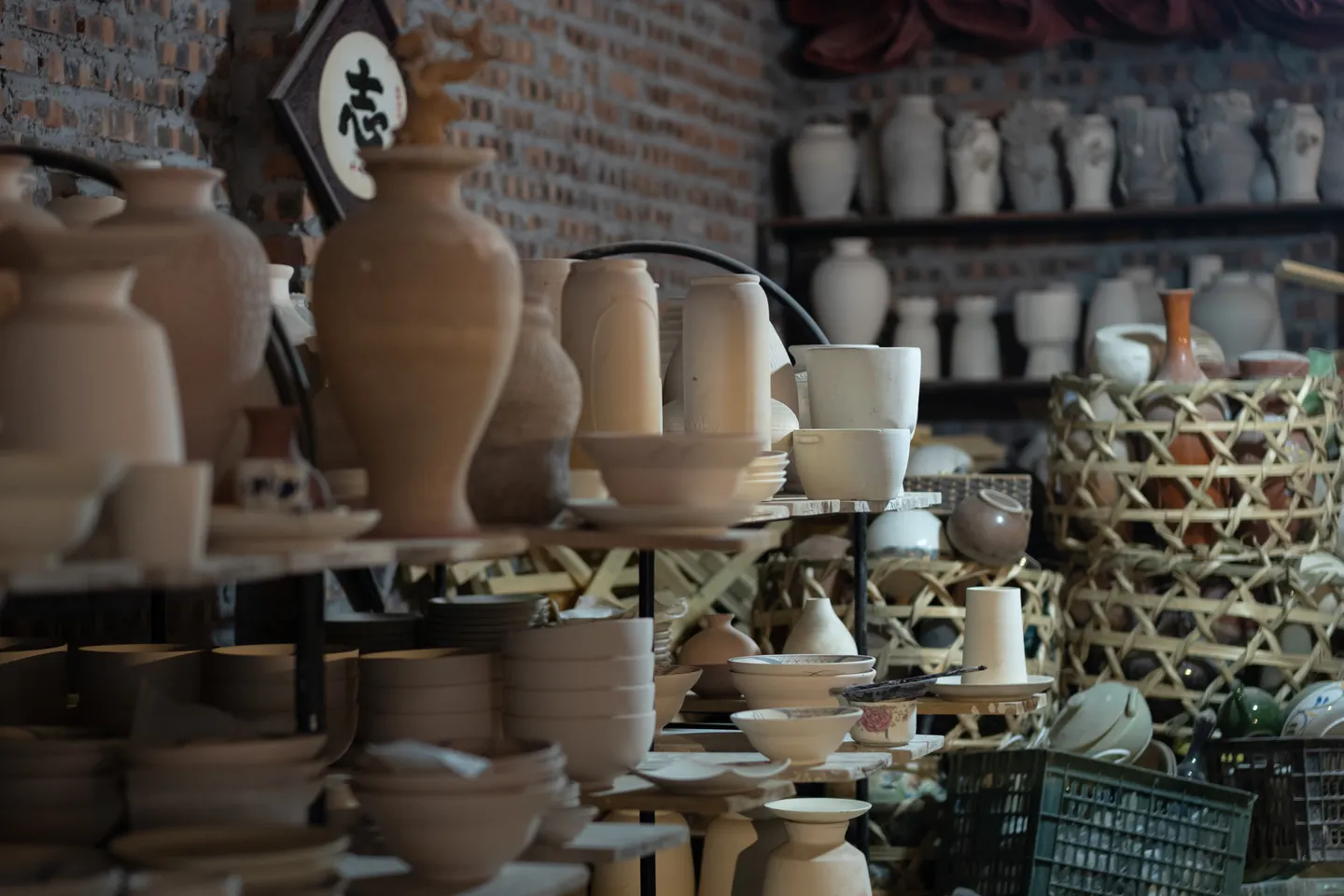
The small ceramic pitcher on a crowded bookcase was a useful thing before it became a decoration. It can hold a few flowers, be taken down for dinner, or just stay within reach of someone who remembers using it. When a shelf is so full that moving the pitcher requires moving six other things, the display has turned a familiar object into an obstacle. Think of keepsakes as objects someone may want to touch, see closely or take down. Even a piece that is too fragile to handle often deserves more attention than a leftover gap.
Pick a shelf or cabinet you can see from where you normally sit. Look at it during the day and in the evening. Write down three or four pieces you would miss if they were removed and see where they are. A small object near eye height can feel more present than a large object at the top of a tall bookcase. You can build an arrangement around the things you notice, leaving some safe storage for the ones that need protection or occasional use.
Assess which objects belong out in the room
Look for the conditions each object can tolerate. A solid serving bowl with a steady base can often live on a lower open shelf, given a safe reach and enough distance from the edge. A paper letter, vintage dye or photograph can be sensitive to light. A fragment of old ceramic may be unstable. Avoid assuming a piece is robust because it has been in a cupboard for years. For a valuable item, ask a conservator or appropriate professional about display, supports, light or humidity rather than trying a finish or adhesive.
Think about where dust, cooking moisture and movement tend to collect. A high open shelf in a kitchen may be harder to clean than one in a living room, and the view upwards can hide the detail that matters. When using glass-fronted cabinets for fragile objects, check temperature, direct sunlight, door hardware and how glass or other fragile contents will be restrained. A cabinet can reduce handling and dust. Its doors still need safe access, and the interior can collect heat near a sunny window or a hot light.
Larger objects can help define a shelf, but check their weight and the rated support. Put heavy items on appropriately supported, lower shelves when possible. Follow the storage furniture’s attachment instructions and use suitable stability measures, especially in a home with children. Consider how close a person carrying a laundry basket will pass. An object on a narrow shelf at shoulder height has a greater chance of getting bumped than one behind the face of a fixed cabinet. Make sure a favored large piece sits fully on its support, without a corner projecting into a route.
Use depth to make an object legible
Clear one shelf and set the first object on it by itself. Walk back to the view you use most often. A fine ceramic profile may show itself in front of plain paint. A carved dark box may need a lighter surface behind it. Before repainting a whole cabinet, try a loose sample board or fabric positioned safely at the back. Use the view from the doorway and the view from your seat. If there is no contrast at either distance, change height or background before adding more objects.
Place the next item with enough space around the first one for its outline to remain clear. A taller form at the back can give a shelf depth, but it can also swallow a smaller shape. Make sure the gap between them is large enough to pick up the front object without turning it sideways. If the shelf is very shallow, a row with uneven heights can produce enough variety without layering. A book or an intentionally plain stand can raise a piece when it is stable, appropriate for the load and suited to the object.
Try a small proportion experiment. Set a low piece beside a vertical image, then add a medium-height piece on the other end. View from a location where you can see the whole shelf. If the tallest object and the cabinet edge merge, shift it inward. If one bowl seems to float by itself, a small related piece nearby may make more sense than a second bowl the same height. Leave at least one area open, particularly near the place you put a hand to retrieve or wipe something.
Put frequently handled things where your hands can work
A cake stand used twice a year has different storage needs from a bowl that gets used on Sundays. When an object is useful, check grip and distance. Can you put both hands around it? Is the shelf too high to see its base? Is there a safe resting spot nearby while you open a cabinet door? A short route to the table can make a frequently used object more likely to be taken down. An infrequently used fragile item deserves extra safety rather than a fast route.
Cupboards with glass doors can provide a good middle ground, with useful items protected but visible. Check which portion of the shelf you can reach with one door open. A door frame may prevent you from taking down a piece near the hinge. Test a shelf height using a cardboard shape the size of the object, including its handle or lid. Shelf pins need to be installed and loaded according to the cabinetmaker’s guidance. If a heavy platter has to tilt substantially to come out, move it lower or give it another location.
Avoid protecting a cluster by placing all the fragile pieces very far back. From the usual viewing position, the largest object can hide most of them, and someone has to reach underneath or between other pieces to touch one. An enclosed tray with a few small robust items can be removed for inspection, but keep heavy or breakable pieces individually accessible. A taller cabinet or a horizontal partition can add surface options that a single overcrowded shelf cannot.
Work out how the collection will be cleaned
When you are considering a display, use a cloth on the unoccupied shelf first. Can you reach the rear corners from a safe position? Does the shelf finish need a certain product, and how long does it have to dry before anything sits on it? Move objects to a broad stable place while you clean. Check each item’s finish and materials before applying any product. Dusting a glazed serving plate can be much simpler than caring for an unsealed carved surface, a textile or old painted wood.
For objects someone handles with food, know whether the surface is appropriate for that use. A handmade or vintage piece may need specialist advice before food contact, especially if the glaze, damage or origin is unknown. It can retain meaning and still be kept for decorative use. Choose a display height where you can see small changes, including new cracks, loose parts or damage from light. These changes may deserve a rest or a different storage setting.
Cleanability can be a deciding factor in whether to display objects on a whole bookcase or keep only a few on a sideboard. The sideboard gives a wider area and a stable surface you can reach. The bookcase can yield a series of well-defined spaces, but more shelves and seams need tending. If an arrangement requires a ladder that you rarely use, treat that shelf as a place for safe, infrequently accessed items and leave the main collection lower.
Plan for a display that changes when life changes
A narrow shelving unit beside the dining room might hold a family jug, one postcard in a suitable frame and two small serving bowls. In regular use the larger bowl leaves every weekend. Reserve a permanent gap so it comes back without pushing the jug toward the edge. Keep other mementos in a suitable box, with any labeling that helps someone understand their importance later. Move one item into the arrangement when you want to see it closely and return another to its safer place.
In a second room, a person may inherit a large collection and want to see most of it. Choose a cabinet where the depth and shelf spacing actually suit the objects. Try displaying a few by material or origin at a time. A small note kept with the object, whether visible or safely stored elsewhere, can record facts that would otherwise be forgotten. Avoid writing on or sticking anything to the object itself without guidance. A collection has value even when part of it is held in protected storage.
The last test is simple. Take a useful object down, set it somewhere safe and put it back. Look at the shelf again after the next ordinary evening, with its usual light and chairs. If the shelf still holds a few clear shapes and the objects can be used in the way you intended, it is ready to stay in the room.
Before adding another piece, take the view from farther away. If it only fills a gap that gives your hand room to work, keep the gap. The next object can sit somewhere it will be noticed.