Decorating
Choose a Lamp That Can Take a New Shade
Keep a useful lamp working by matching a replacement shade to its fitting, lamp dimensions, clearance requirements and light pattern.
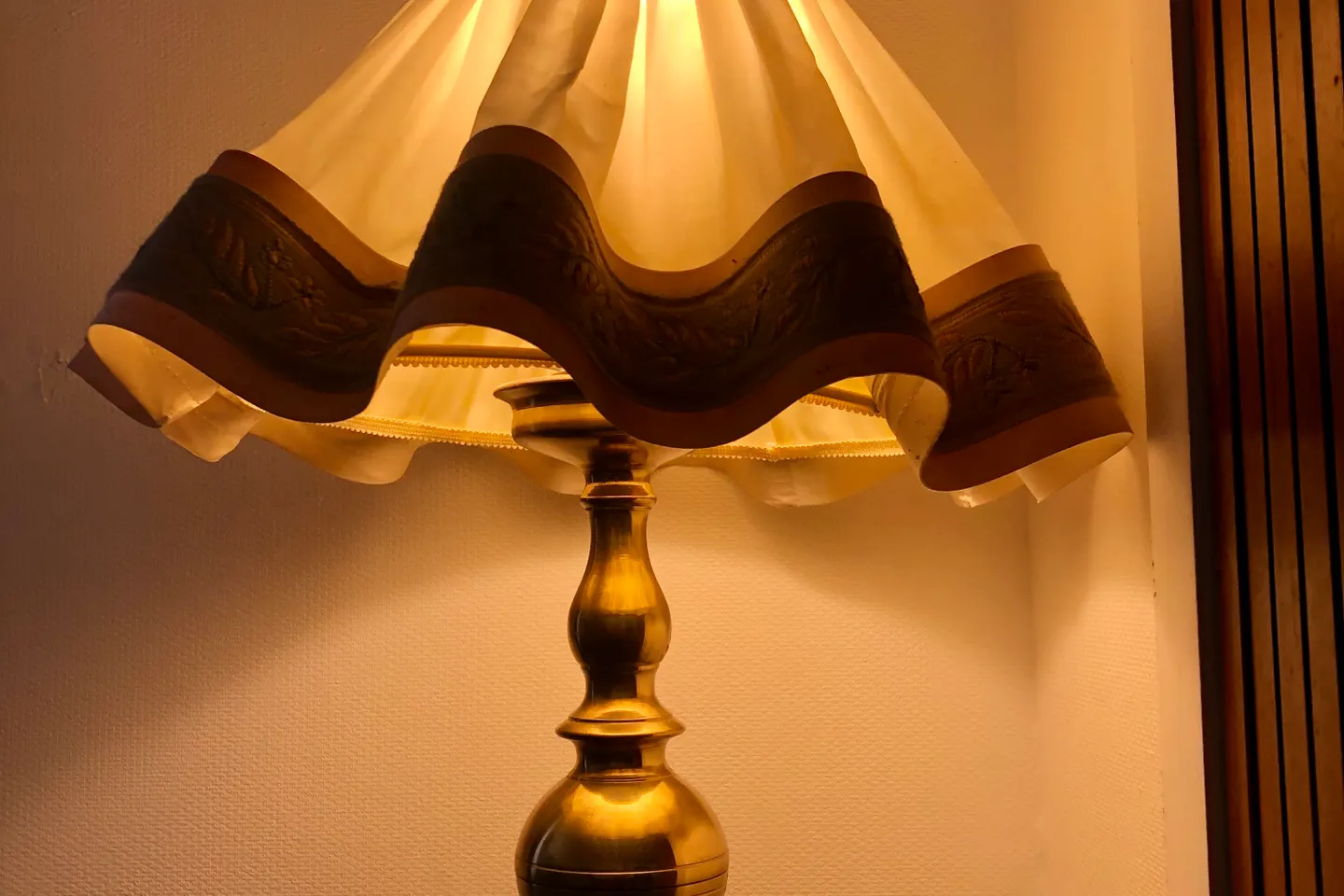
A lamp can last through several rooms. Its shade rarely has the same easy journey. A fabric drum can fade on one side, the lining can discolor, and a paper shade can pick up a crease somewhere between houses. When the lamp still works and the base suits the room, a compatible replacement shade is a worthwhile option. Begin with the part where the old shade connects. The connection, weight and clearances matter before the new shade’s color or silhouette.
If the lamp is damaged, unstable, poorly wired or unusually hot in use, get it assessed before buying a shade. A new shade is no repair for a loose socket, damaged plug or missing support. If the maker gives replacement guidance, use it as the first reference. For an old base without documentation, a qualified lamp repair shop can identify the fitting and evaluate whether parts are safe and suitable. Plan around an assembly you can mount as intended.
Find the connection with the lamp off and cool
Unplug the lamp and allow it to cool before inspecting the shade. On some table lamps a metal harp straddles the bulb and carries the shade at its top. A finial screws down onto the support to hold it. Other shades fit onto a ring around a socket and are held by a retaining ring, or use a clip that engages an allowed lamp shape. Names can vary from one seller or region to the next. Bring photos of the existing attachment, the underside of the shade and any identifying markings when you ask for help.
Measure the diameter or location of the fitting you are trying to match, as well as where the old shade sits relative to the socket. The shape of the wire arms and the distance between the top of the shade and its mounting ring affect final height. This offset is sometimes described as the drop or recess. Two shades with the same outside height can sit several centimeters apart on the same lamp. Confirm that the lamp will accommodate the proposed shade in the proper position without makeshift washers or adapters the maker does not permit.
For a lamp with a finial, check that the threaded parts engage securely and the shade has adequate stable support. Avoid assuming that all visually similar supports share the same dimensions. A ring or clip arrangement likewise needs to match the lamp and its instructions. A stable temporary paper outline can help visualize an appearance away from the light, but never use an improvised shade over an energized bulb. When in doubt, a shop can fit the shade and tell you what the lamp can support.
Measure how much of the lamp stays visible
Record the width and height of the base, the widest point of the shade, and the relevant clearance from the bulb and surrounding surfaces. If the old shade's outline is pleasing, it provides a useful reference even if it has worn out. If the base seems top heavy or disappears beneath the shade, sketch a slightly different silhouette. Draw both from tabletop height and from where you sit. From eye level lower down, a shade that seems generous from above may expose the socket or leave light shining beneath its bottom edge.
For a lamp on a narrow side table, set out a paper outline of the shade at the size you are considering. Maintain separation from curtains and walls as required for the assembled lamp and shade. Check whether a person can reach a switch while seated without contacting the shade, whether a book can be held beneath the lamp and whether the base remains stable when it is switched on. A broader fabric shade may look balanced and still extend into the place someone reaches for a glass.
A narrow conical shade can suit a base with a tight stem or compact footprint. A wider drum can provide a stronger horizontal line and appear fuller at the top. A tapered rectangular or oval shade can be useful on a shallow console when its broad dimension follows the wall. Check whether the fitting holds it in the desired orientation. The resulting distribution of light is as important as the silhouette. A flat-looking shade from the front can project differently from the side where you regularly pass.
Choose how the fabric and liner transmit light
An opaque outer material with a light inner surface can give a well-defined pool below and a comparatively dark silhouette when viewed from the side. A more translucent shade can contribute to the general glow of a room. The liner and cloth together change whether the bulb is visible as a bright spot and how colors appear nearby. Look at the material both lit and unlit. A shade can read like clean ivory in a shop and cast warm amber light after dark.
If a lamp is meant for reading, test the light near a page spread across your lap. Light from one side can be useful if the direct source remains shielded and the book does not catch a reflection. Sit in your usual position, including the way the chair reclines. The edge of the shade may need to stay low enough to hide the bulb from that position. If the lamp is better for pattern and general light, use a separate reading fixture rather than forcing one shade to do both jobs.
A darker lining can change the brightness more than you expect. An open-top shape can allow some light to reach the wall or ceiling, which can help soften contrast if the directions for the lamp permit the setup. In a bedroom where the lamp is usually on alone, too much light above eye level may be distracting. Look from the doorway and from someone’s side of the bed. Use the specified bulb type, size and maximum rating, and check appropriate heat and ventilation clearances even when replacing a lamp with an efficient model.
Take care and future replacement seriously
Ask how the shade can be cleaned. Bare fabric and paper may need a gentle approved method. A treated product might allow different care. Avoid wetting a shade or applying a solvent without instructions, especially near electrical parts. The base should be disconnected as appropriate and the shade removed safely before cleaning. Look at where dust collects on the top ring and at seams. One straight detachable shade might be easier to keep than a complex handmade form you would hesitate to touch.
If you usually store a seasonal shade, choose a dry secure place where it will not be compressed against other items. Mark its fitting and the lamp it belongs to. Keep the assembly information and receipt or part number with the lamp's paperwork. A shade that can be sourced by size and attachment has a better chance of being replaced later. Check whether the finial, ring or harp is sold separately where relevant rather than treating each broken small part as the end of the entire lamp.
Avoid buying a pair that works only under one assumed shade direction. If the shades are asymmetrical or patterned, view them from both sides of the room. Two lamps on different-height furniture can need different sizes or heights if they serve equivalent seats. You may be able to use shades in the same material with different frames. That relationship helps the lamps look appropriate where they stand and makes the parts easier to replace over time.
Compare a reading lamp and a sideboard lamp
Picture a metal lamp beside a high armchair. The old shade allowed light onto the pages but cast a visible bar of brightness across the television. A replacement with compatible mounting and a more carefully shielded opening could retain the task light and reduce the reflected point. The switch still has to be reachable from the chair. Test that relationship before choosing a shade with a stronger flare or a thick lower frame.
In the same home, a lamp on a low console may never serve a book. Its main job is to put a little light on the wall behind the seating. A less opaque shade may leave a quieter pool on the wall while making the console feel more connected to the room. Check how the new silhouette overlaps a frame, mirror, wall corner or curtain. A narrower shade with the right texture sometimes makes a bigger visible difference than a wide one crowding everything else.
When the compatible shade is fitted, set the lamp in its usual place and turn it on under the conditions when it matters most. Check the shade’s security and clearance and use the lamp as intended. Look from the seat and doorway again. A successful replacement keeps the comfortable parts of the old lamp and makes the light suit the room it now occupies.
Keep the old shade long enough to check the connection against the new one if a fitter needs it as a reference. Store the replacement specifications so you have both the size and the mounting type on hand. A picture of the lit lamp gives a useful comparison if you rearrange the furniture or change the source later. This is especially helpful when you maintain a pair of lamps in two rooms and one shade has already been replaced once.